
Essays · 10
Dallas history
Main Street, Dallas, Tex., 1905. The Rotograph Co. Library of Congress Prints and Photographs Division. No known restrictions on publication.
Dallas has an origin story, and it has a record, and the two do not always match. These ten essays read the city through the second. The founding is covered in the entry on John Neely Bryan, who settled on the Trinity River in 1841.1 What followed, the railroads, a failed dream of navigation, a state fair, a centennial exposition, a banking center and the money that came in from the oil fields, is the subject of the essays themselves.
Several places recur. The fairgrounds that became home to the State Fair and later the 1936 Centennial are in the entry on Fair Park. The 1892 county courthouse at the old center of town is in the entry on Old Red. The society that keeps much of the city’s record, and the building it works from, are in the entry on the Dallas Historical Society, and the garden on White Rock Lake is in the entry on the Dallas Arboretum.
The records behind the essays are ordinary ones: city directories, newspaper columns, fair programs, bank reports, maps and photographs. None of them was made to tell the story of a city, which is why together they tell it more reliably than a single history can. Where the record and the traditional account disagree, the essays say so and leave the disagreement visible.
These are the institutions Rosser Newton works with, which is described on the civic page. The essays treat them as history, not as causes.
References
-
Handbook of Texas Online, Texas State Historical Association, Bryan, John Neely. ↩
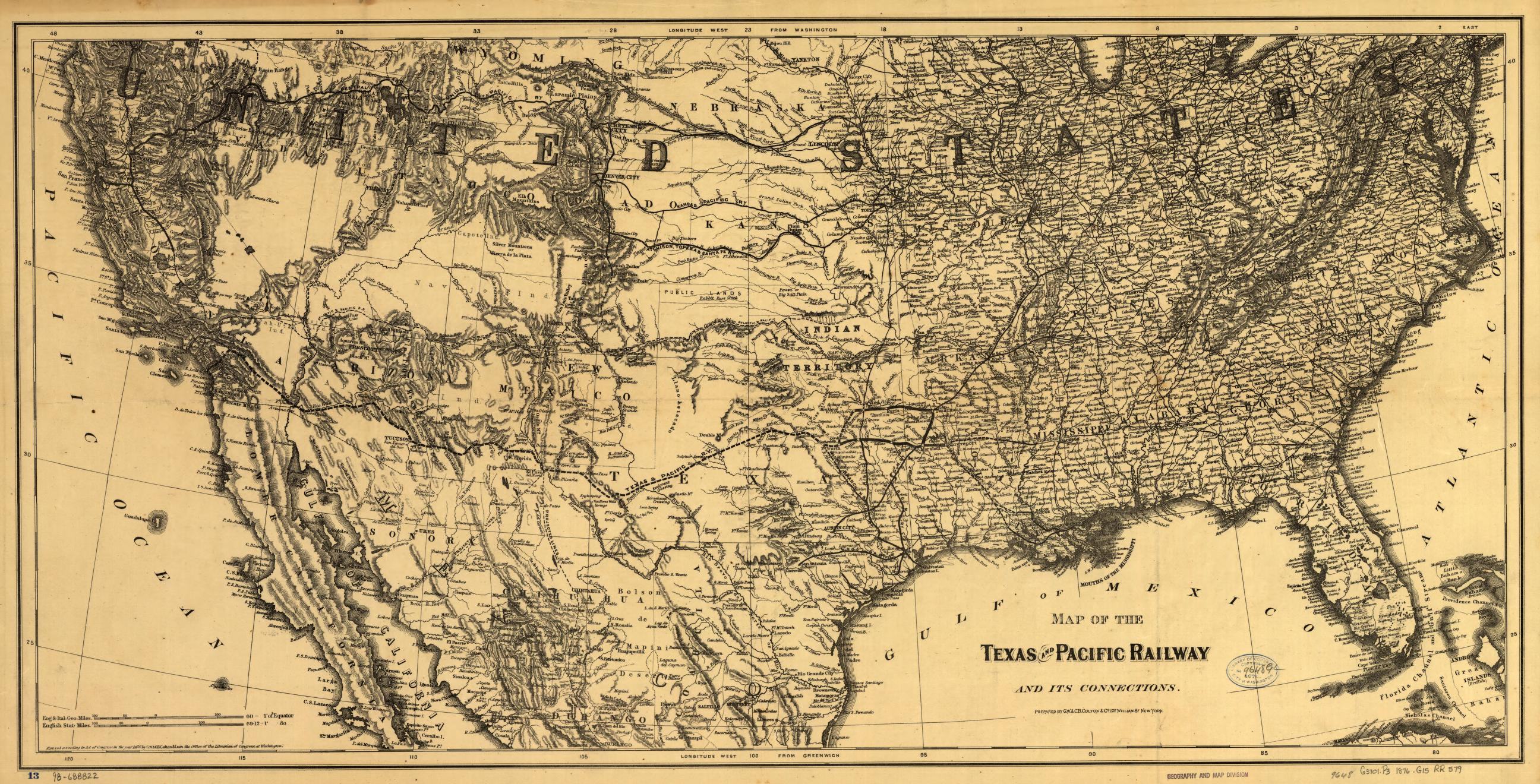 The Railroads Reach Dallas
Reading one issue of the Dallas Herald from July 1872, a railroad schedule and a barbecue report, against a second line that arrived the next summer.
6 min read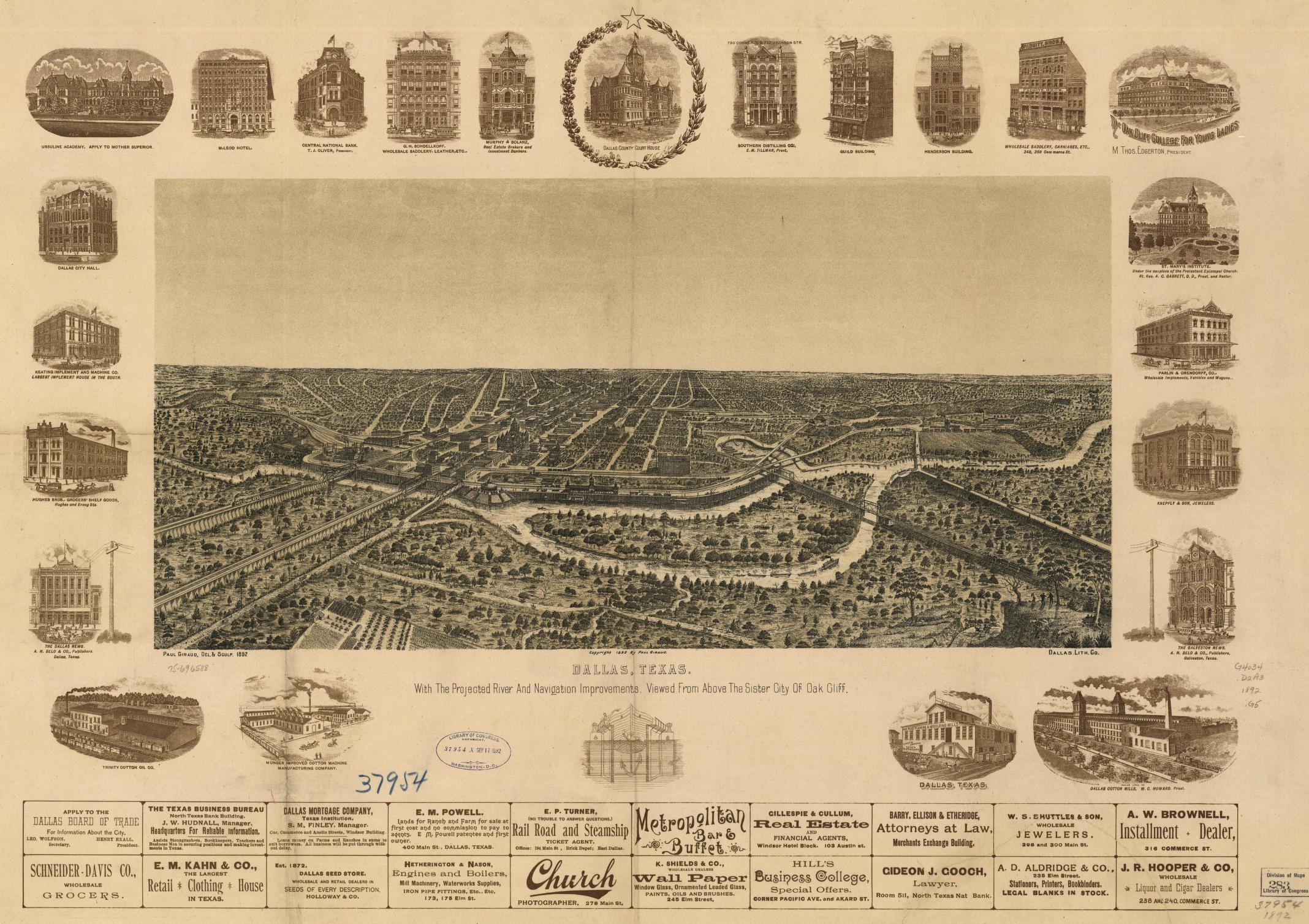 A River City That Wanted a Port
Pinning down how far the Trinity steamboats reached, with a promotional view of 1892 in one hand and two Handbook articles that disagree in the other.
4 min read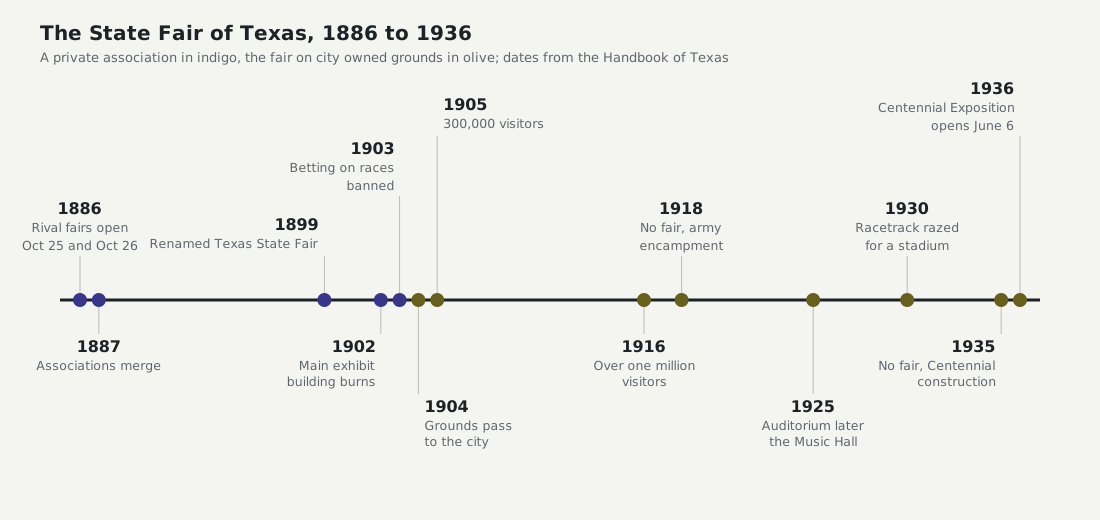 Fair Park Before the Centennial
What a pair of fire insurance map sheets from 1899 shows about the fairgrounds before the Centennial, and the one question they cannot answer.
6 min read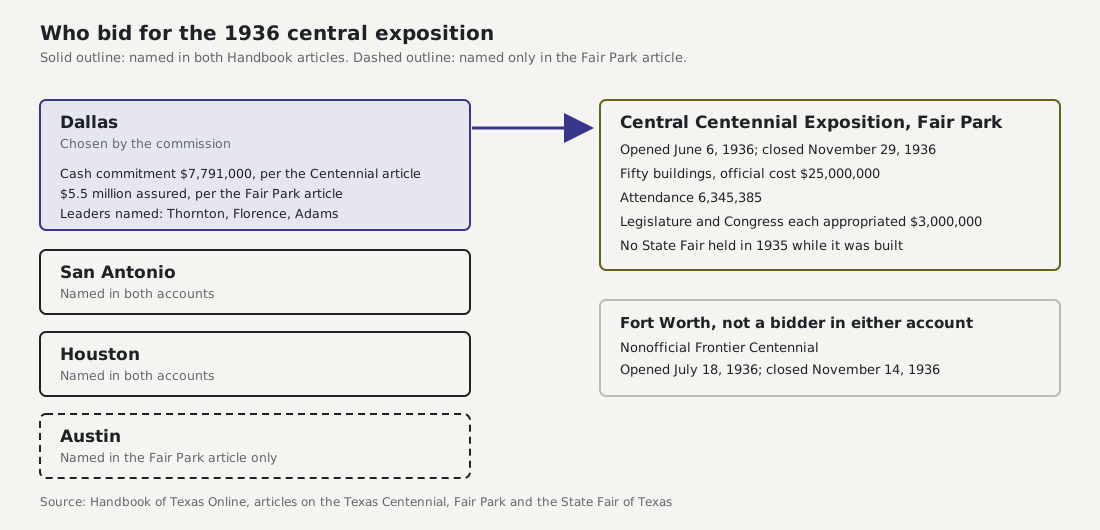 How Dallas Won the Centennial
Working out how many cities competed for the 1936 central exposition, and how much Dallas offered, when two Handbook articles give different answers.
4 min read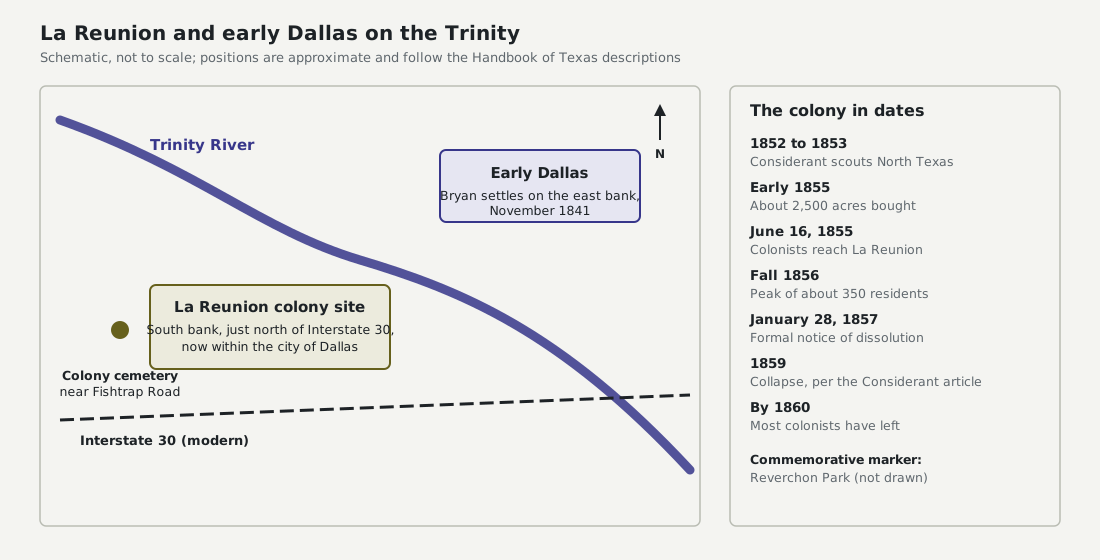 La Reunion and the Settlers Who Stayed
Finding the French, Belgian and Swiss families of La Reunion in the biographical sketches of an 1892 Dallas County history, and deciding what those sketches can prove.
6 min read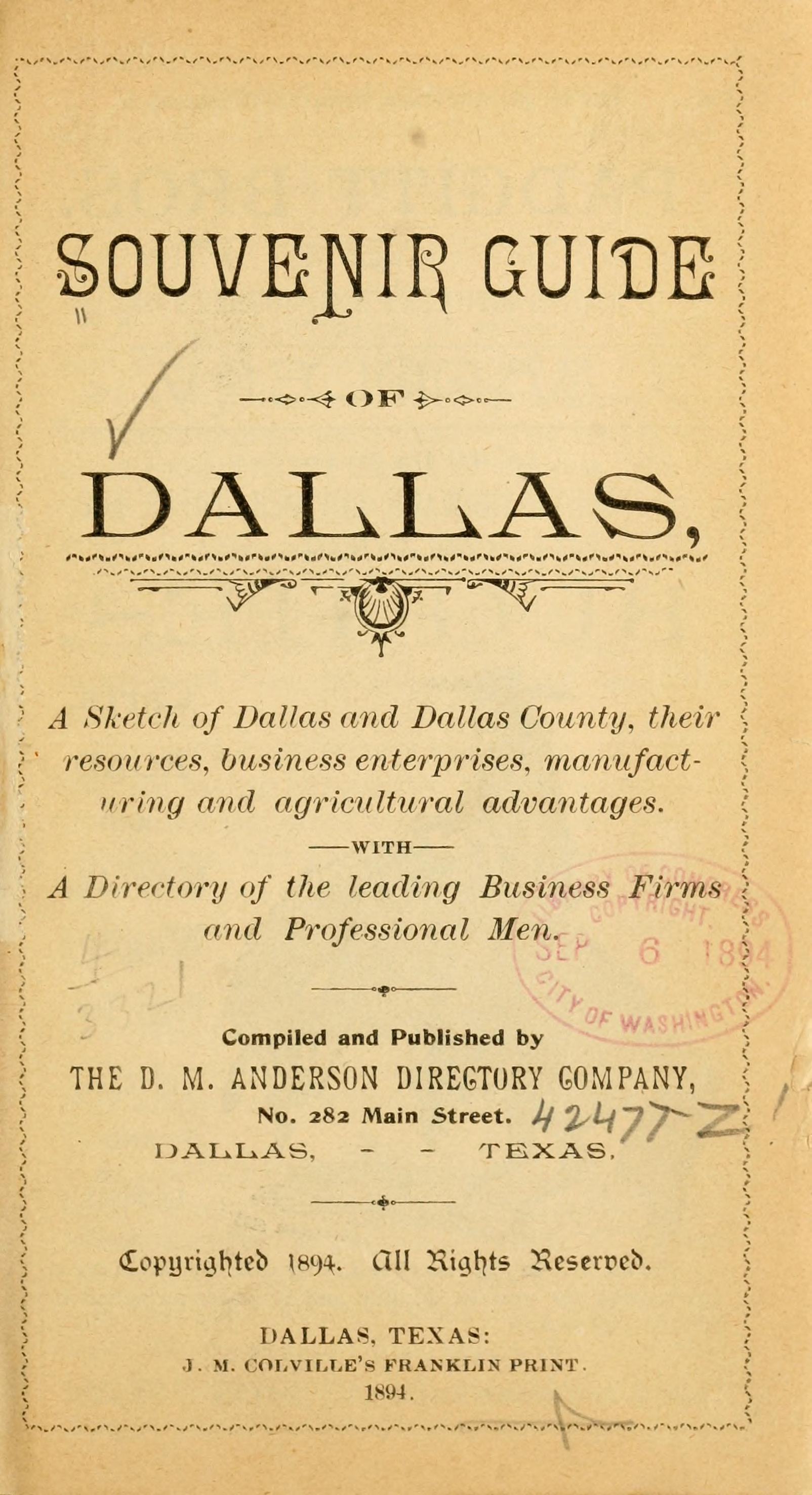 John Neely Bryan and the Founding Story
Checking one sentence about John Neely Bryan in an 1894 souvenir guide against the Handbook of Texas, and deciding which founding facts will bear weight.
4 min read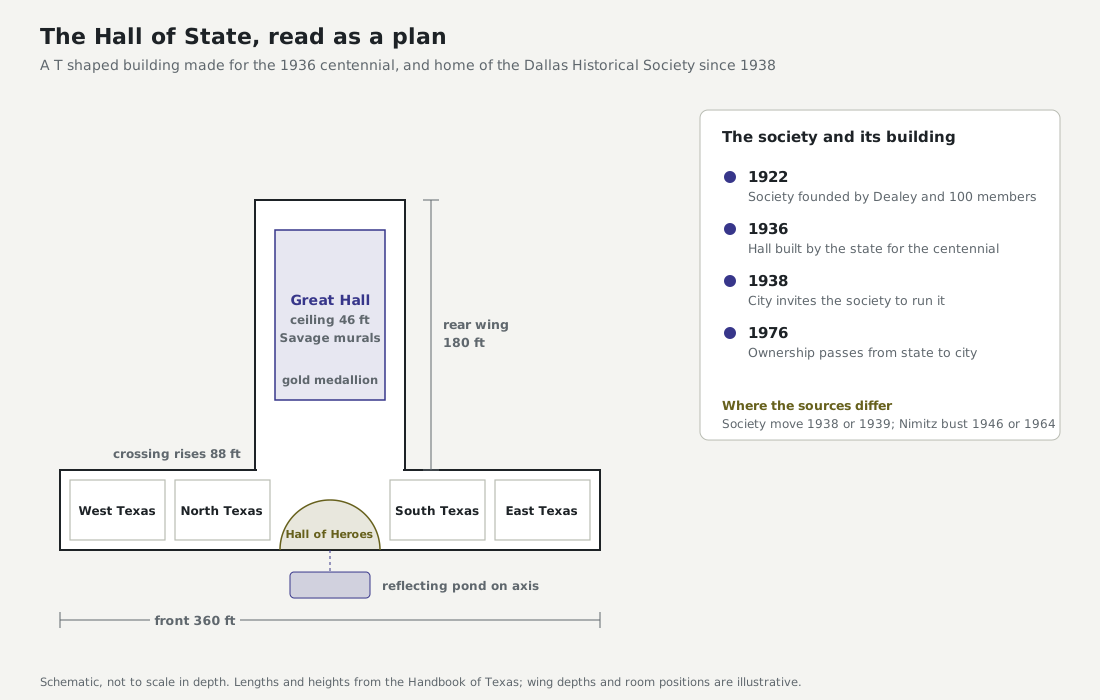 A Historical Society in a Hall of State
Reading the Hall of State at Fair Park as a document in its own right, and asking what it means for an archive to live inside a monument built for a centennial.
6 min read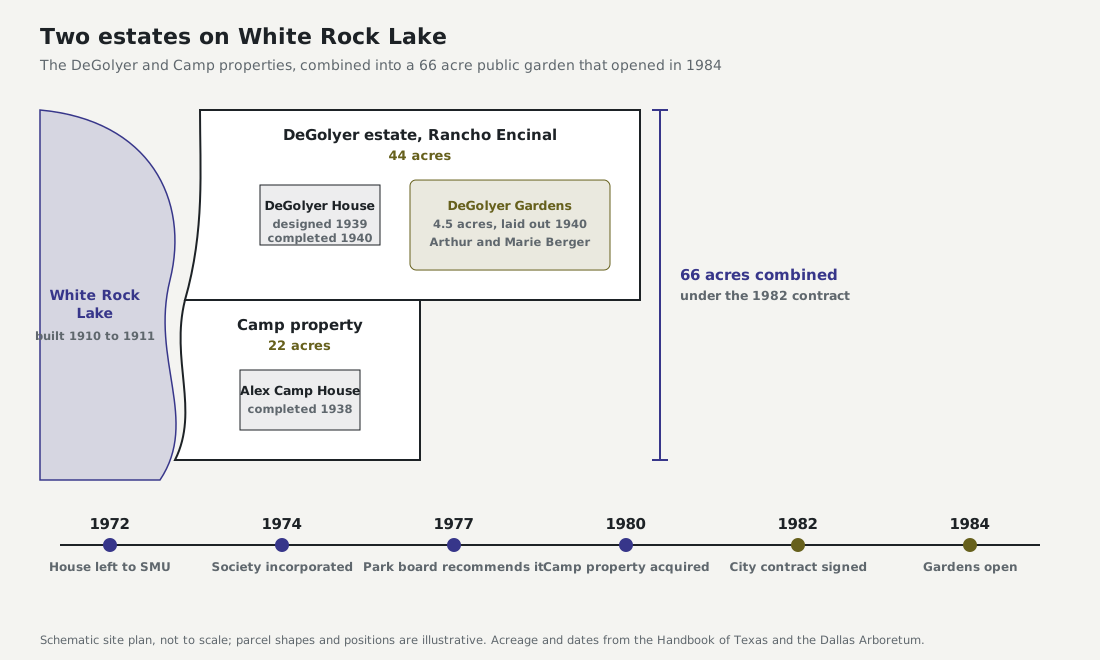 How a Garden Became a Civic Institution
Setting the Handbook of Texas beside the Dallas Arboretum's own history to date how the DeGolyer and Camp estates became a public garden.
4 min read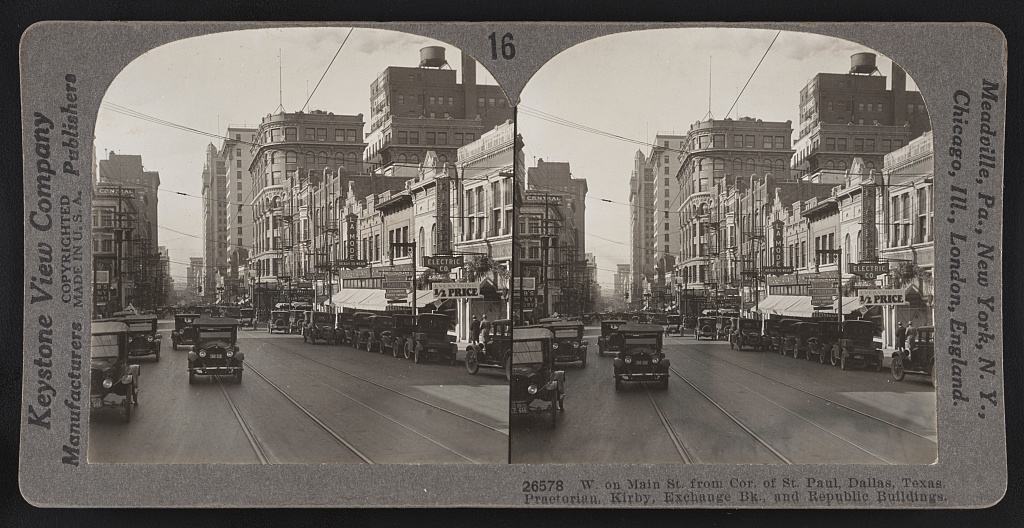 Cotton, Banks and a Reserve Bank
Reading a Keystone stereograph of downtown Dallas for what it proves about the banks that grew from cotton and won the city a Federal Reserve Bank, and what it cannot prove.
6 min read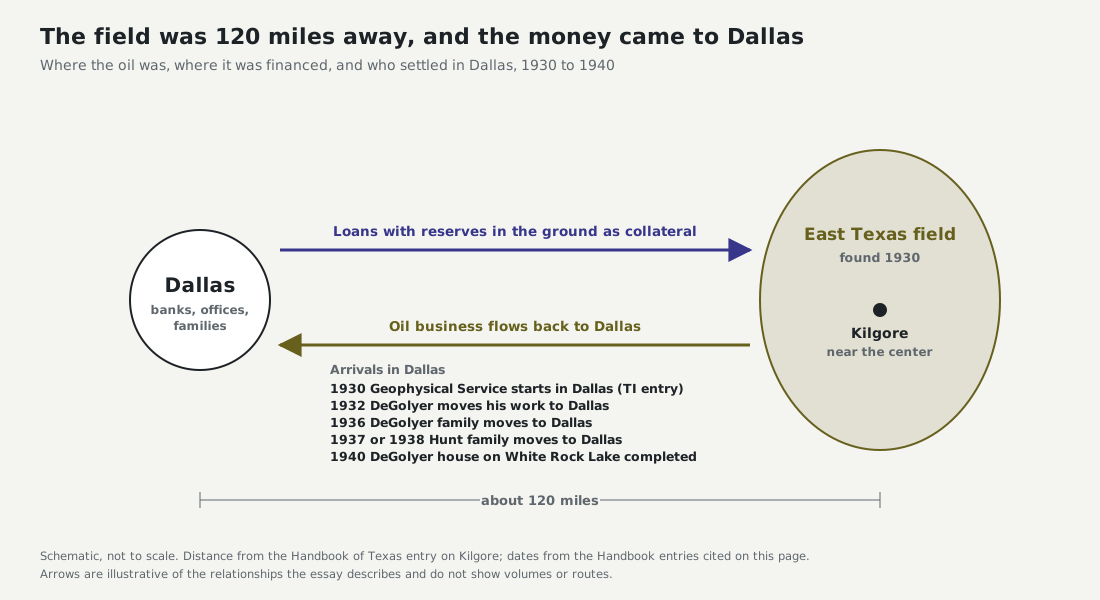 What Dallas Built With Oil Money
Three Handbook entries give three different years for when Everette DeGolyer came to Dallas, and sorting them out changes how I read the city oil built.
4 min read