
Essays · 14
Energy capital
Oil derricks, Kilgore, Texas, 1939. Farm Security Administration and Office of War Information collection, Library of Congress. No known restrictions.
These fourteen essays come from the board table. They are about the years after an operating company in oil and gas services takes outside money: how a board actually works, how a company finances its slow quarters, what an audit or an acquisition does to a management team, and where a founder fits once there is a chairman. The kind of capital they assume is described in the reference entry on growth equity, and the industry they assume is described in the entry on oilfield services.
The setting is Texas, where the service business grew up around the big producing regions. Two of them anchor the history: the field opened in 1930 in East Texas, covered in the entry on the East Texas oil field, and the West Texas basin in the entry on the Permian Basin. The state regulator whose rules shape so much of the work, despite a name that sounds like it belongs to another industry, has its own entry on the Railroad Commission of Texas.1
Every essay here takes a position that another experienced director could argue against, and every one names at least one place where its own rule breaks. None of them describes a real company, a real deal or a result. Most of them run against a received idea. The idea that a director with a minority stake carries the same weight as one with control; the idea that a first audit can wait until a sale; the idea that a founder who hands over the chief executive’s job has stepped back. Each essay states the received idea fairly before it argues with it, because the directors who hold those views are usually experienced people with reasons.
The role these essays draw on is described on the work page.
References
-
Handbook of Texas Online, Texas State Historical Association, Railroad Commission. ↩
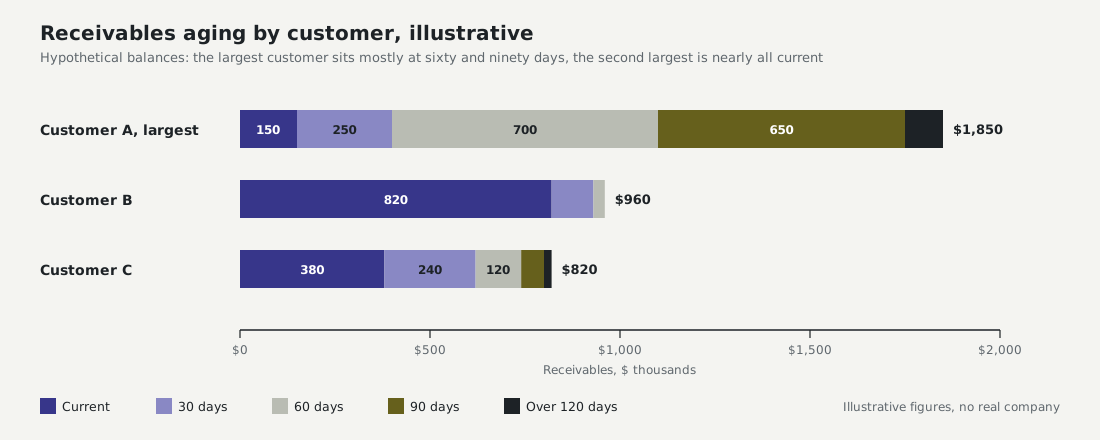 Receivables Show Who Holds the Power
Why the stapled page of receivables in a board packet tells a director more about customer relationships than the sales slides do.
6 min read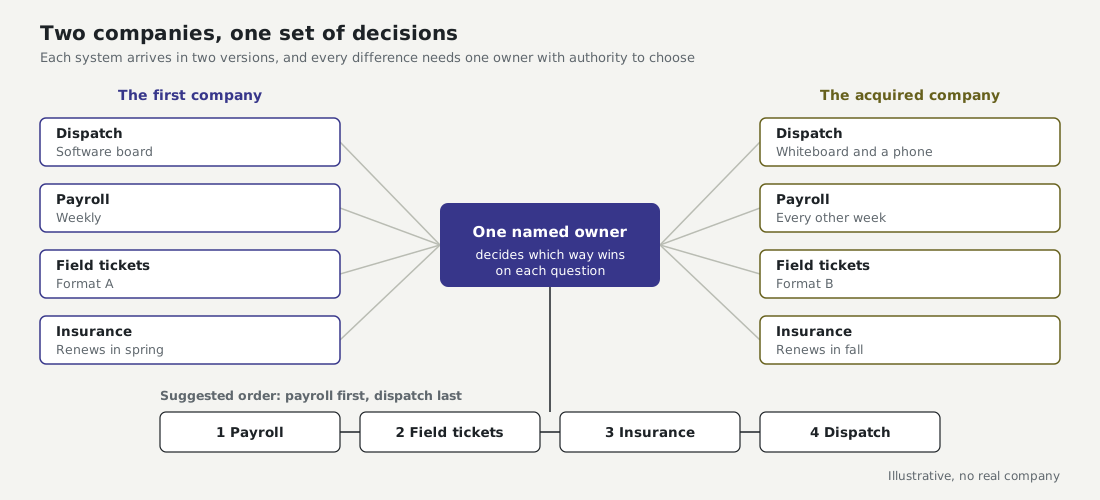 The Add On Acquisition Doubles the Work
On the one line in an acquisition model that never carries a name, and why the second company should not be run by whoever has a spare hour.
4 min read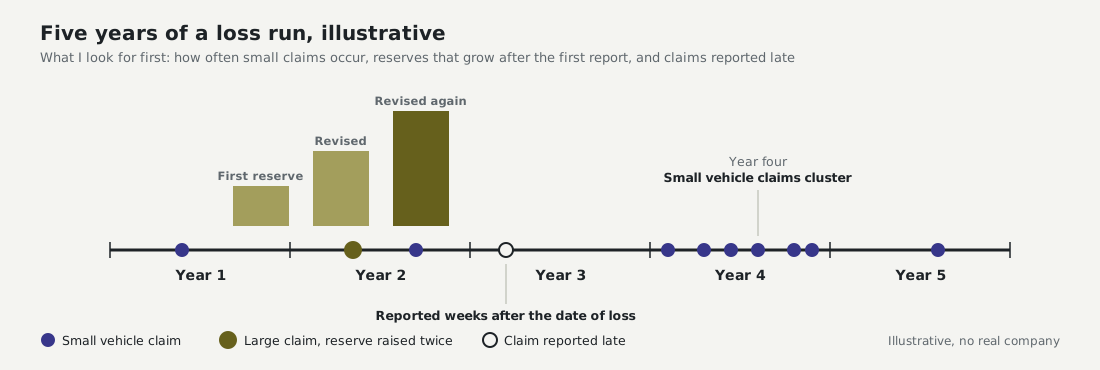 Why I Ask About Insurance Early
The case for leaving insurance to the specialists at closing, taken seriously, and why I still ask for the loss runs in the first week.
5 min read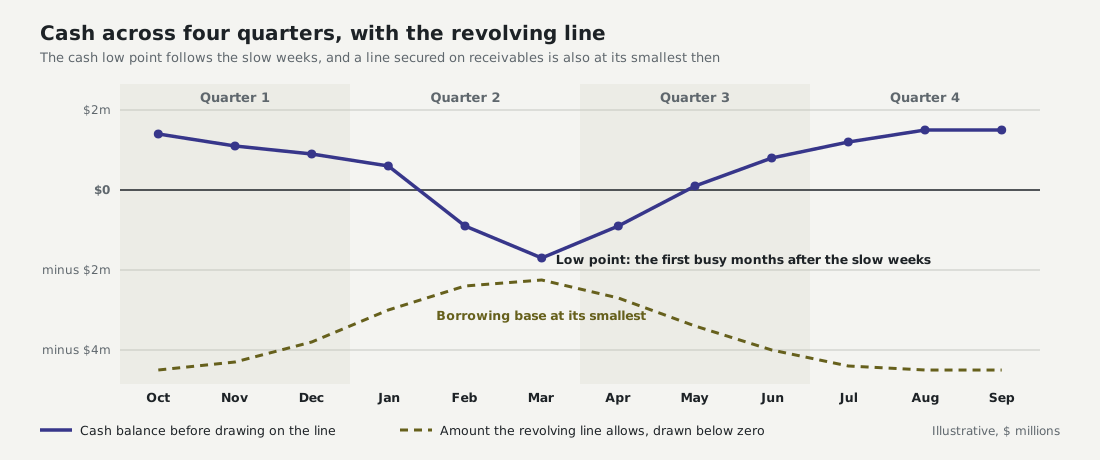 Seasonality Is a Financing Problem First
Why a revolving line should be sized to the restart after a slow quarter, arranged in a strong one, and paid for even when it sits idle.
6 min read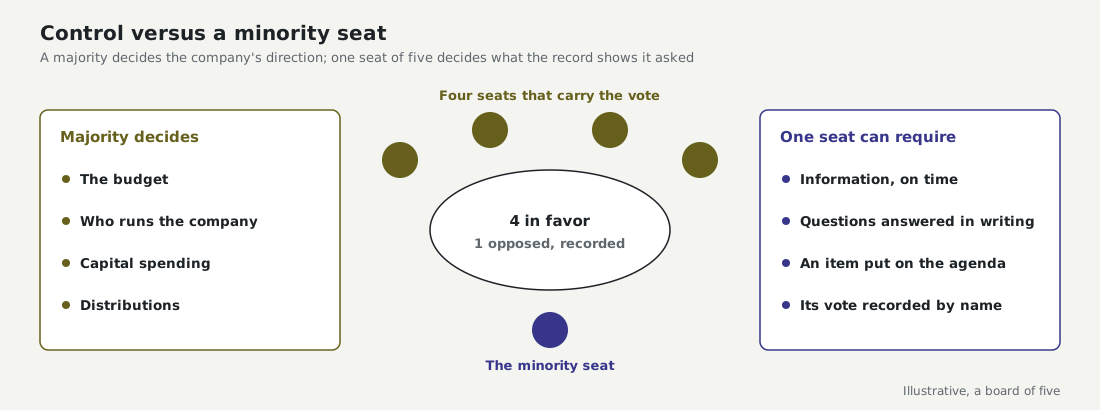 A Minority Stake Changes the Board
From the director's chair, what one seat of five can require of a management team, and why a named dissent is worth spending rarely and on purpose.
4 min read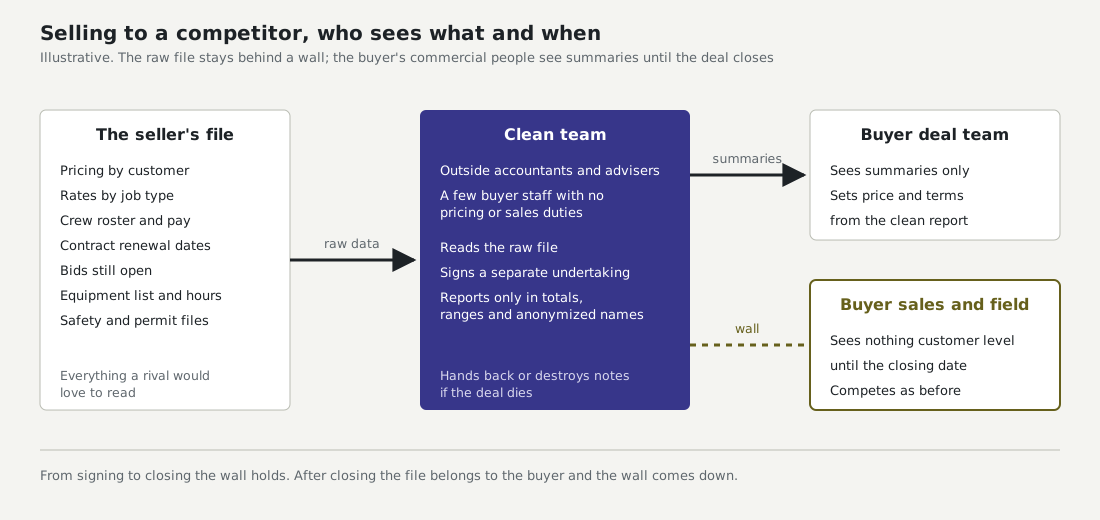 Selling to a Larger Competitor
Why an owner selling to a bigger rival should build a wall around his pricing file before anyone asks to see it.
5 min read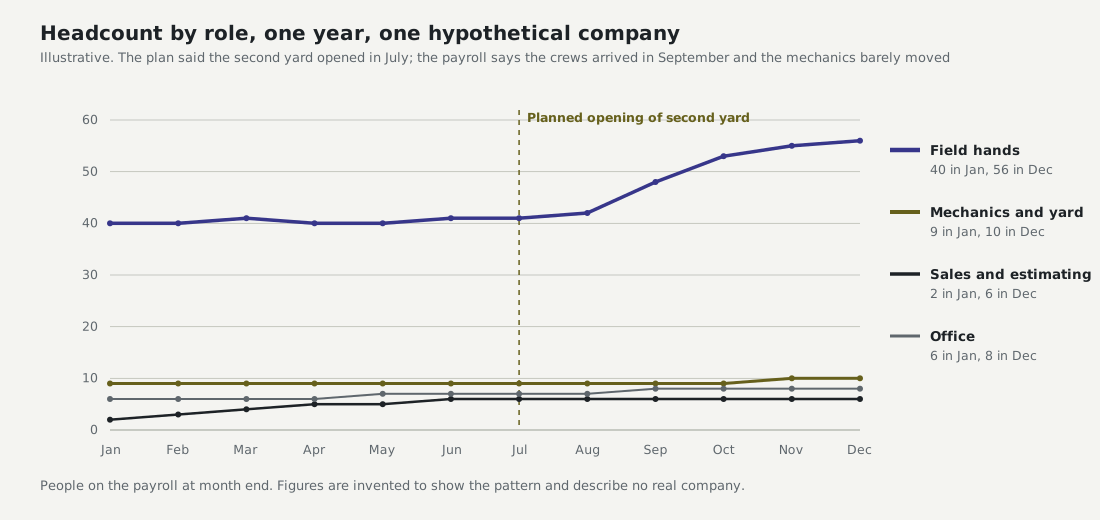 Payroll Tells You What the Plan Leaves Out
A board that reads headcount by role, month by month, learns which parts of a strategy anyone has started paying for.
6 min read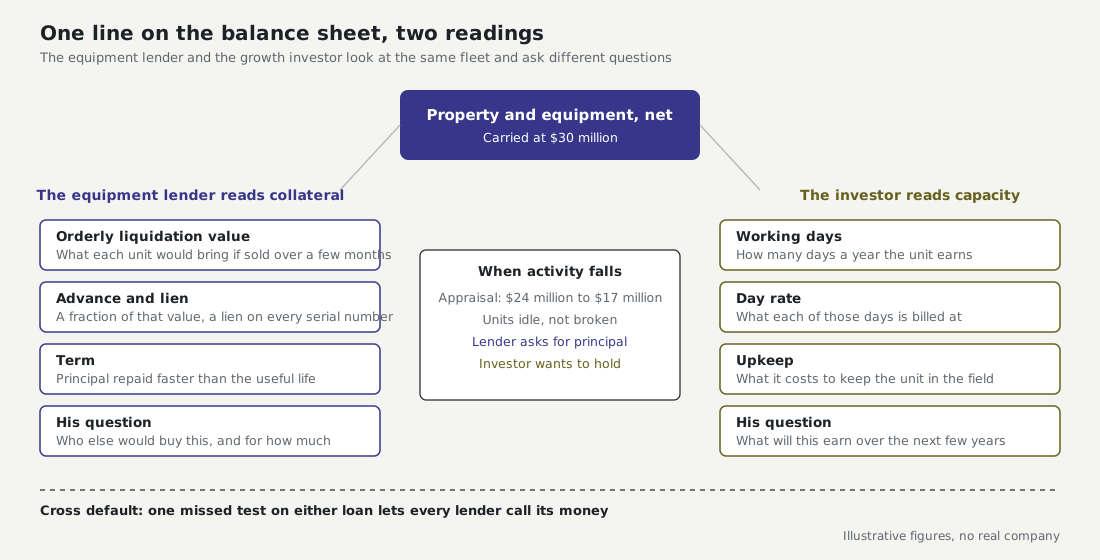 Equipment Lenders Want Different Things
Why the appraisal an equipment lender orders each year belongs in front of the board, and why a service company should pay extra to keep its lenders from defaulting together.
4 min read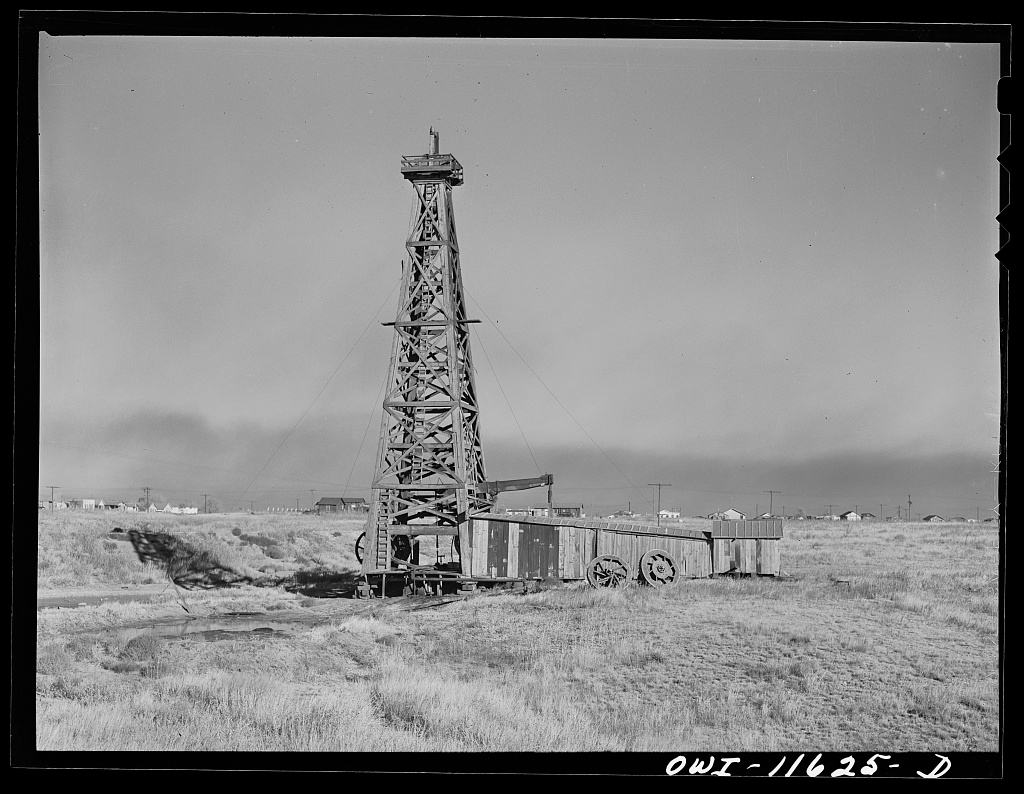 Consolidation Looks Better on Paper
The best argument for combining small service companies, given its full weight, and the narrower kind of combination I would now support.
5 min read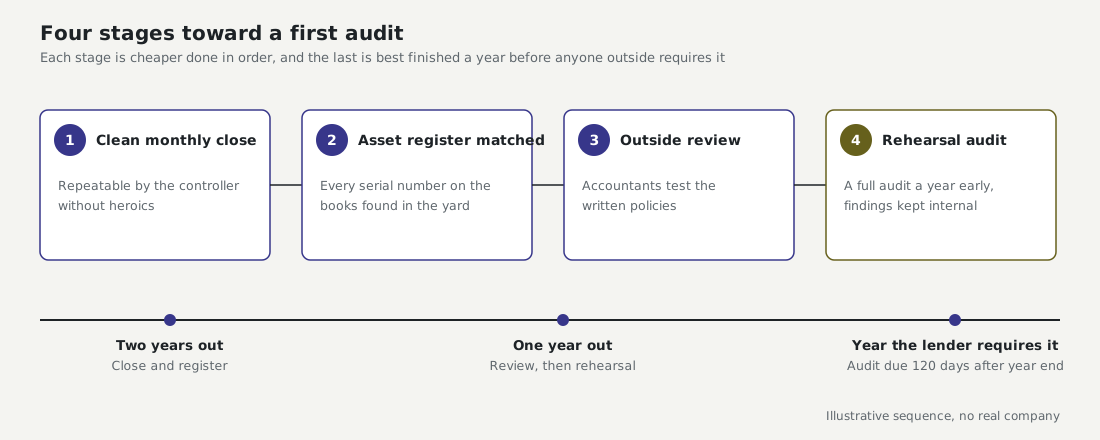 The First Real Audit Comes Early
What a first audit finds in a company that has never had one, and why I would pay for it a full year before anyone outside the company asks.
6 min read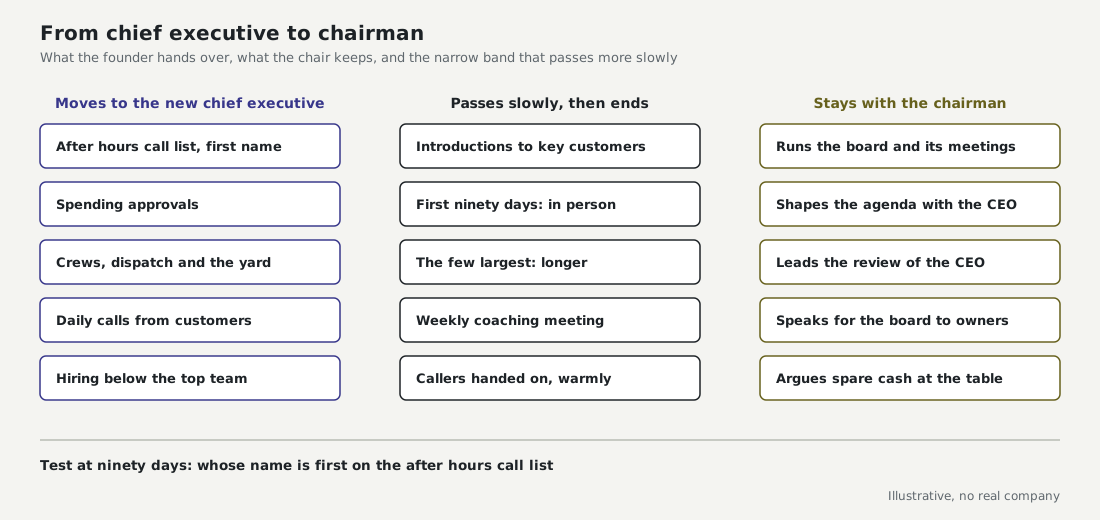 When the Founder Becomes Chairman
A founder who takes the chair keeps his old authority wherever nobody reprints the paperwork, and the after hours call list is the place to check.
4 min read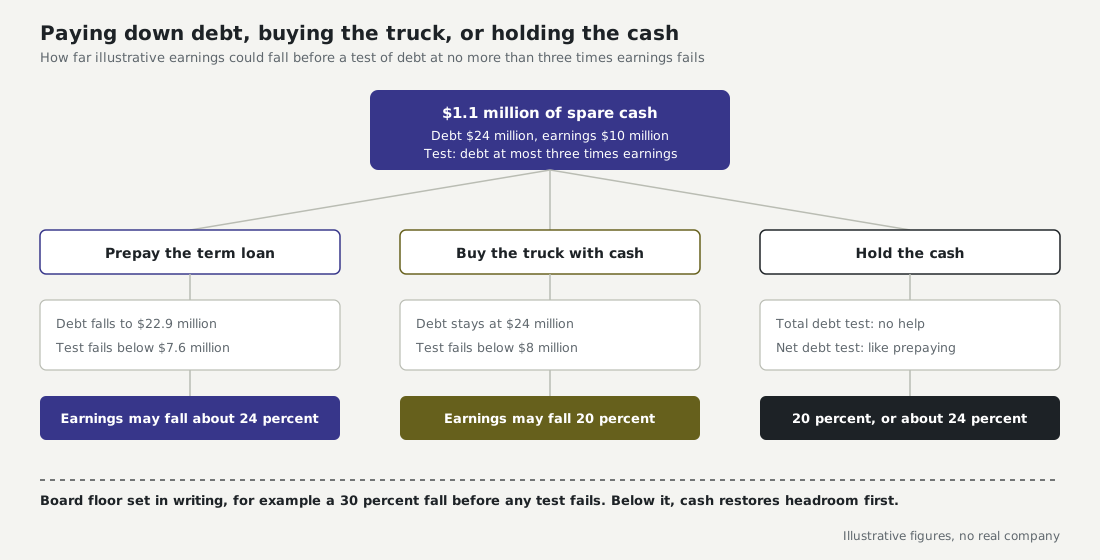 Paying Down Debt or Buying the Truck
The best case for buying the new unit, heard out in full, and why I would still have a board set its covenant headroom before it hears any purchase request.
5 min read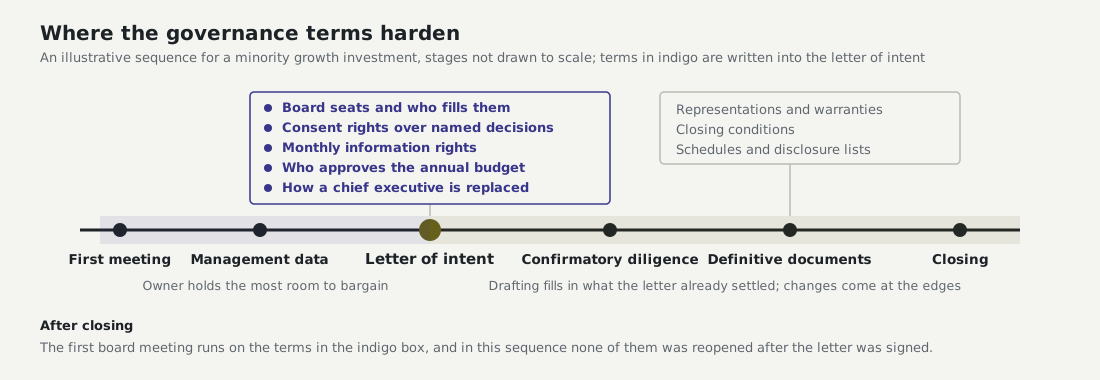 Terms Harden at the Letter of Intent
Why the paragraph on board seats and consent rights deserves more of an owner's attention than the price on page one.
6 min read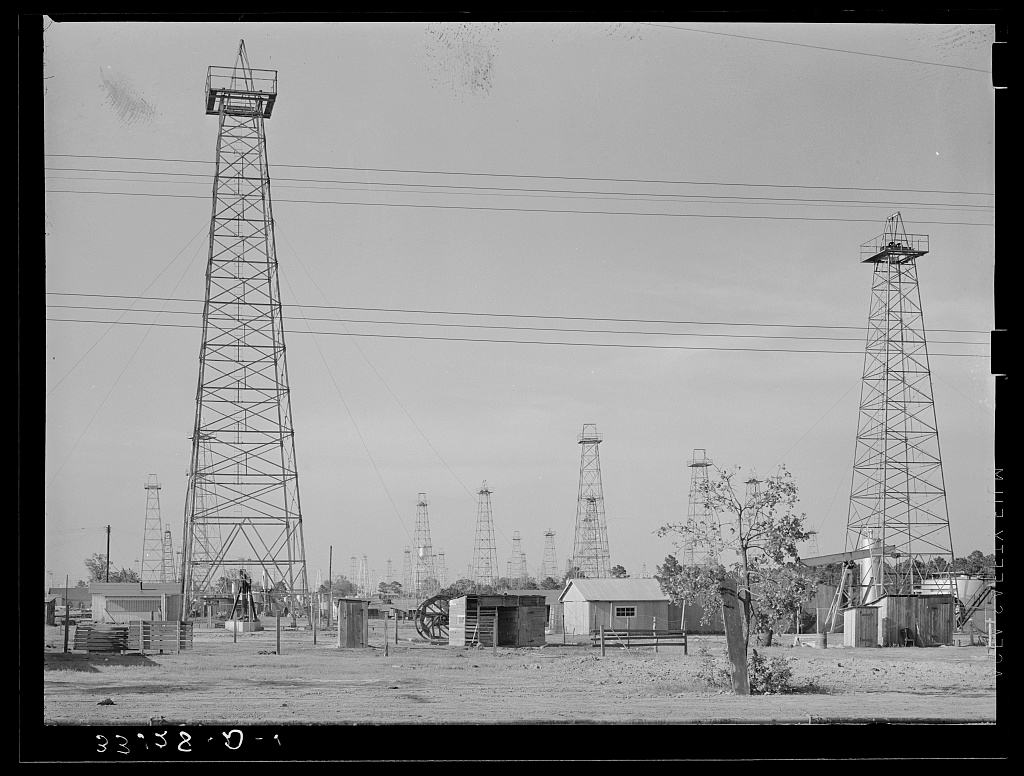 What Energy Banking Taught Me About Timing
A lesson from the late 1980s oil bust on why the cycle is a poor clock and the company in front of you is a better one.
4 min read