
Essays · 9
Courthouses
Bexar County Courthouse, San Antonio. Historic American Buildings Survey, Library of Congress. No known restrictions on images made by the U.S. Government.
Texas law requires every county to provide a building for its courts, and in most county seats that courthouse stands on a public square.1 For most of the state’s history that building was where deeds were recorded, taxes paid, juries seated and elections counted, and the square around it was where the town did its trading. These nine essays are about the buildings: who designed them, what they were built from, how a town fought to be the one that got one, and what it took to keep them standing.
The overview is in the entry on Texas county courthouses. The architect most associated with the great courthouses of the 1880s and 1890s has the entry on James Riely Gordon, and the Dallas building most people know is in the entry on Old Red. The state program that paid to restore dozens of them is described in the entry on the Texas Historical Commission.
The buildings are also documents. A cornerstone names the officials of its year, a clock tower records what a county could afford and wanted to be seen affording, and the placement of a building on its square fixed the pattern of a town for a century. The essays read the buildings that way, as evidence, alongside the records kept inside them.
Many of these buildings now carry a bronze plaque of the letter William B. Travis wrote from the Alamo, placed by the society in the entry on the Alamo Letter Society. Rosser Newton’s part in that work is described on the civic page.
References
-
Handbook of Texas Online, Texas State Historical Association, County Courthouses. ↩
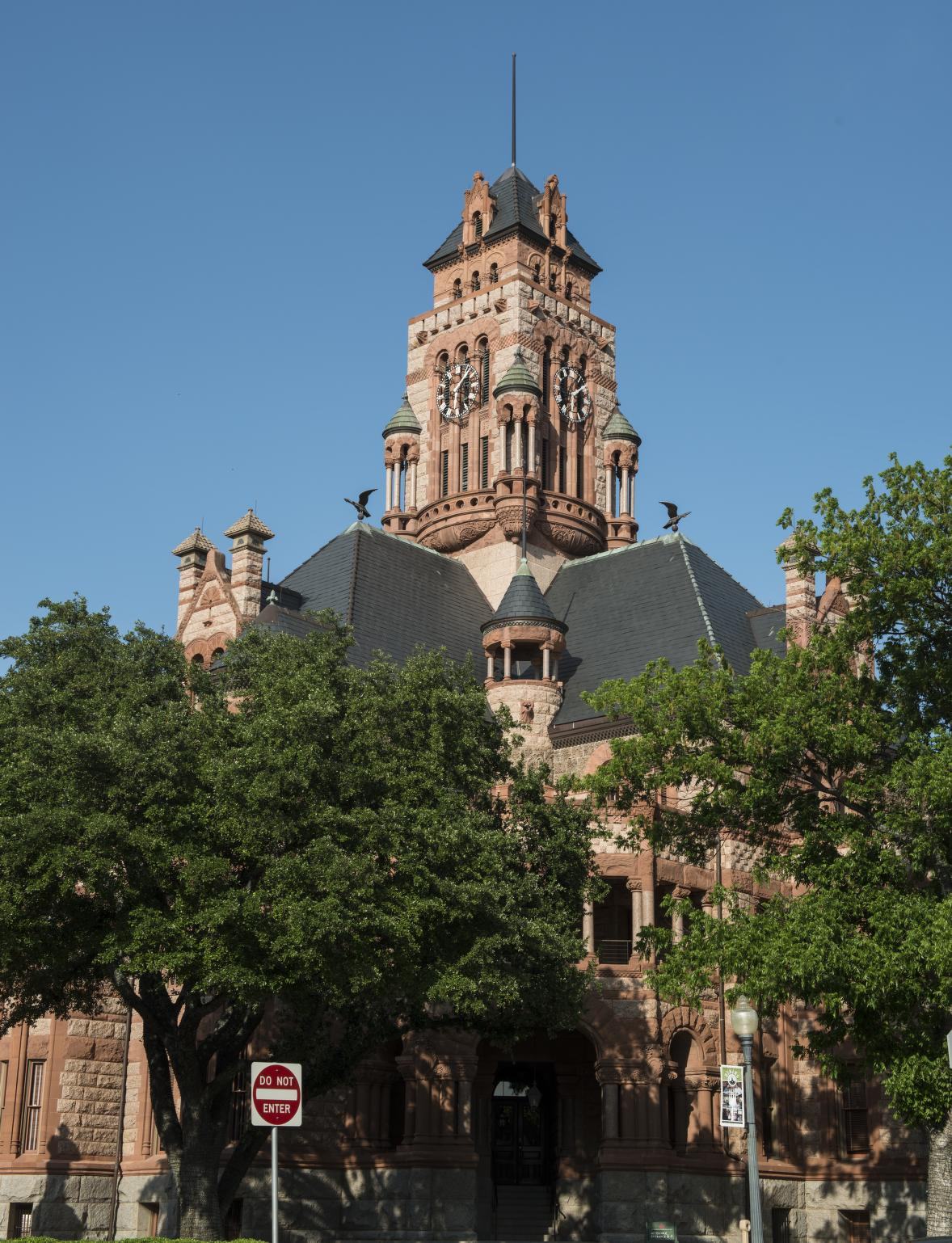 James Riely Gordon and the Courthouse Boom
A San Antonio architect, an 1881 bond law, and one count of standing buildings read against the state's list of restored courthouses.
6 min read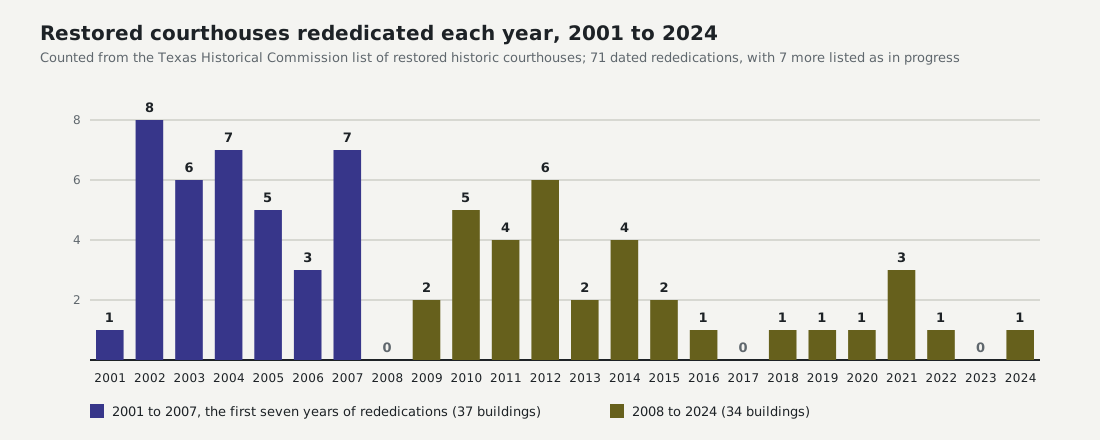 What the Preservation Program Changed
Counting rededications, grant rounds and two numbers on one agency's website to see what the courthouse program actually did.
4 min read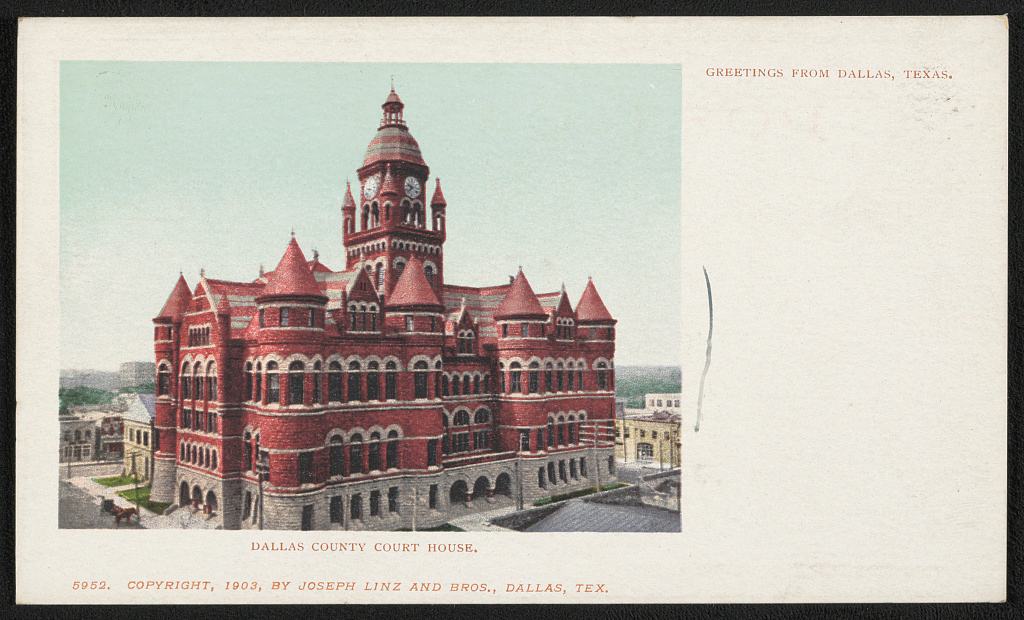 Old Red and What Dallas Kept
A 1976 nomination form, a 1968 renovation bill and a 2007 rededication, read as a record of what Dallas chose to hold on to.
6 min read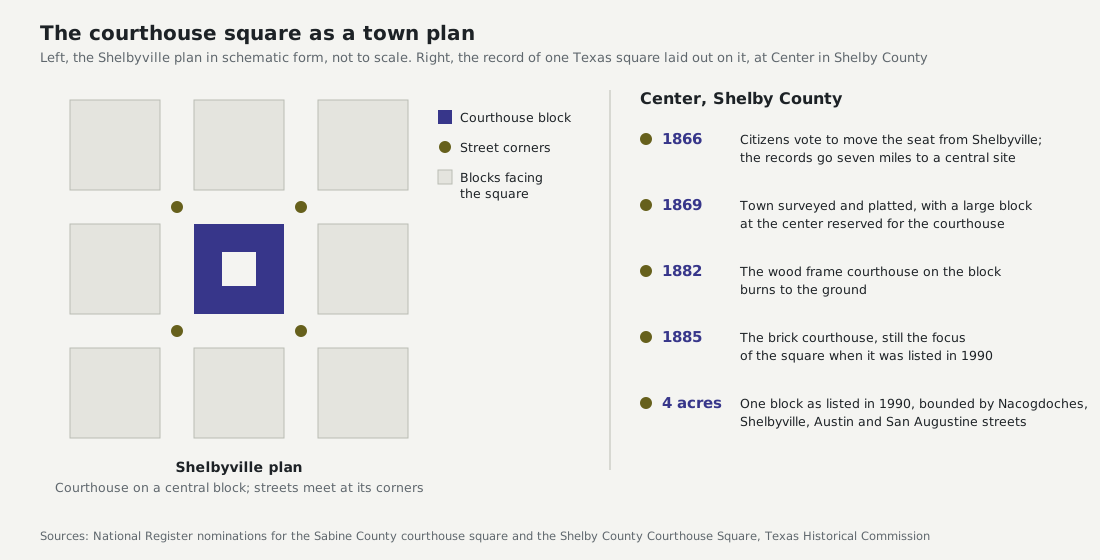 The Square Is a Town Plan
A boundary description from Center in Shelby County, and what the Shelbyville plan did to the towns that used it.
4 min read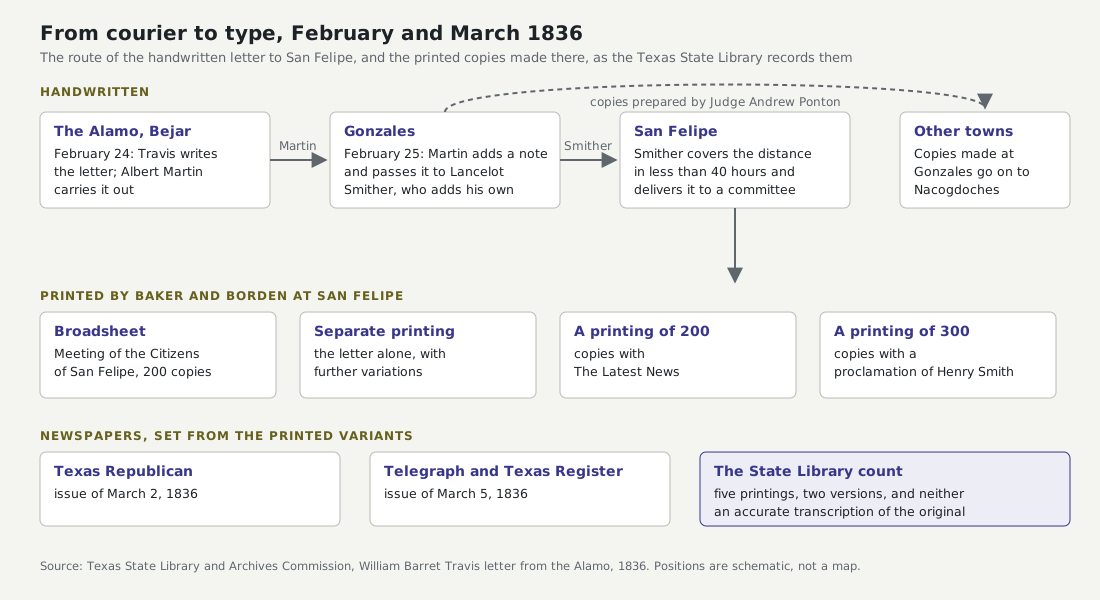 The Travis Letter Was Written for Printers
Following the Alamo dispatch from courier to composing stick in February and March 1836, and what five printings did to its text.
6 min read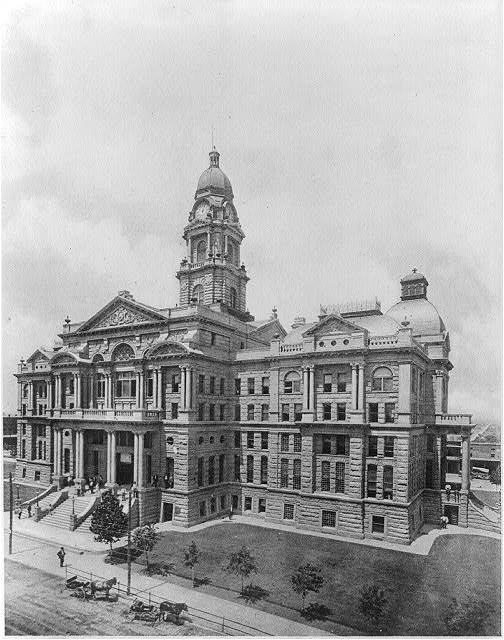 The Courthouse Clock and County Pride
How to date the moment a Texas courthouse clock actually began keeping time, from a dummy face in Newton County to a tower rebuilt by crane in Meridian.
4 min read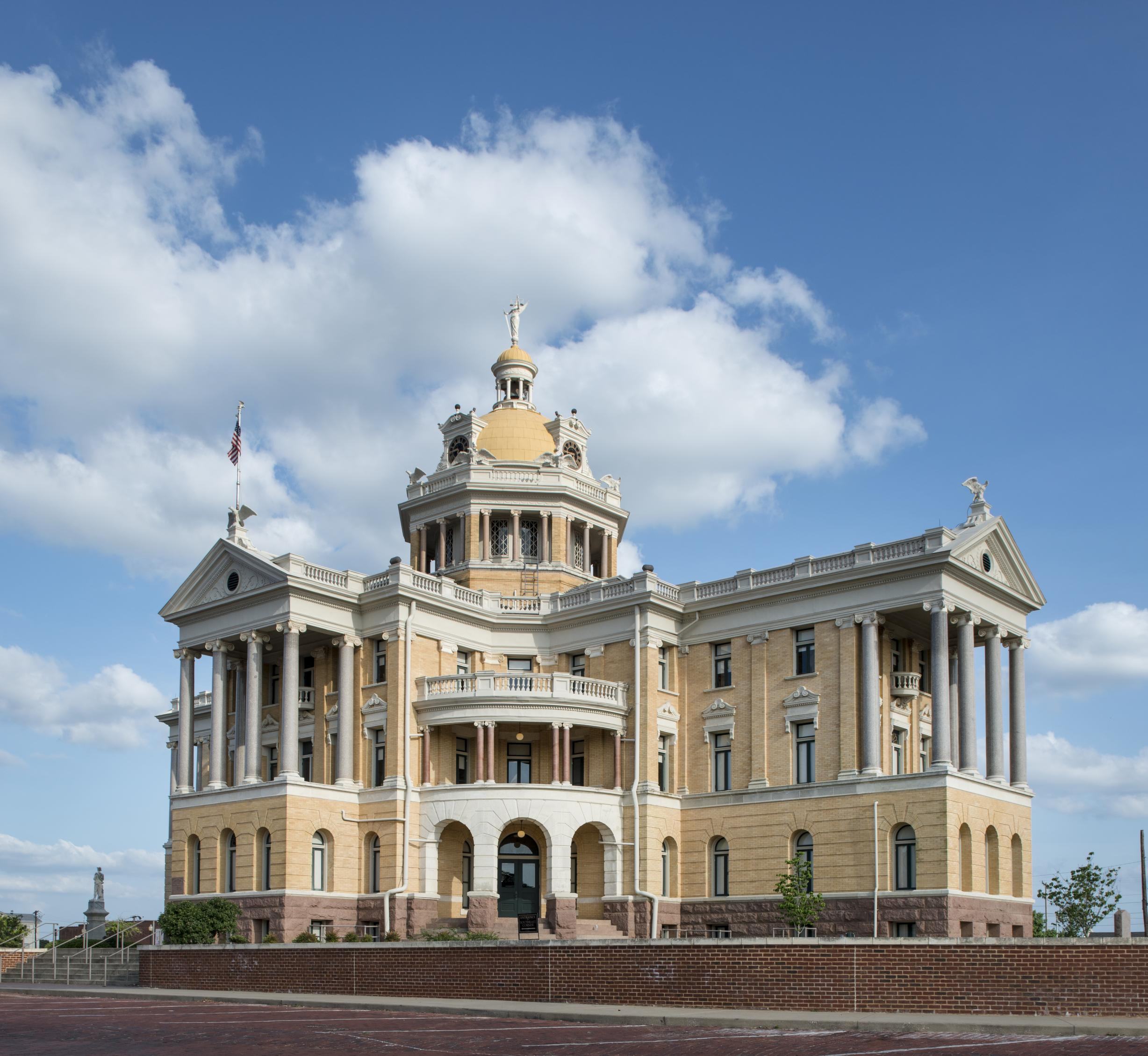 The Quarries Behind a Courthouse
A one paragraph newspaper dispatch about the Tarrant County granite in 1893, read closely, and what it says about the quarries and rail lines behind Texas courthouses.
6 min read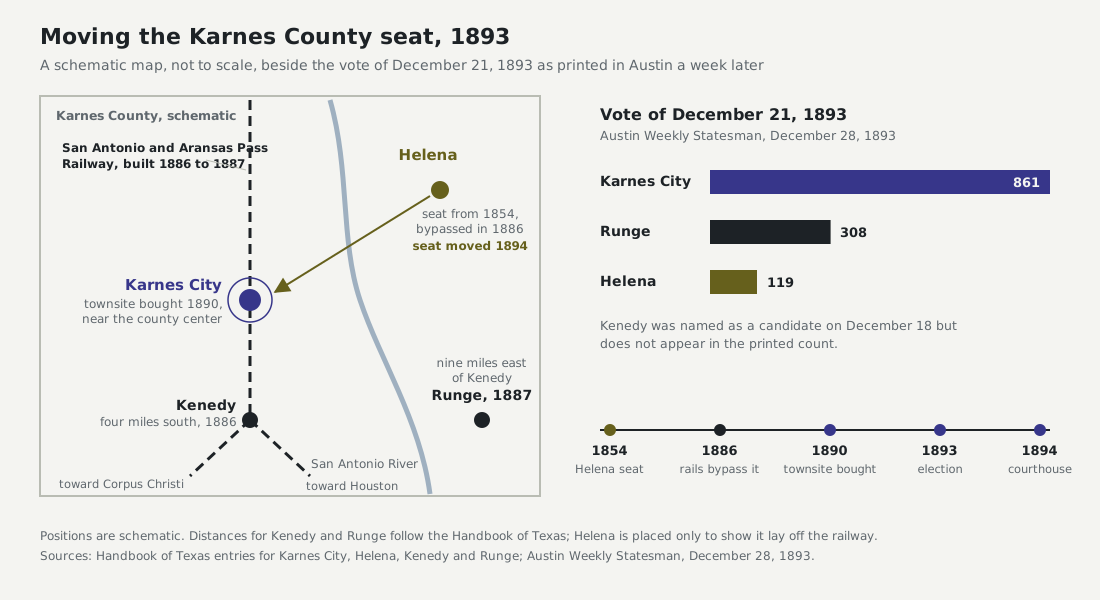 County Seat Wars in Texas
Reconstructing the Karnes County election that moved the seat from Helena to Karnes City in 1893, from dispatches, published vote counts and the Handbook of Texas.
4 min read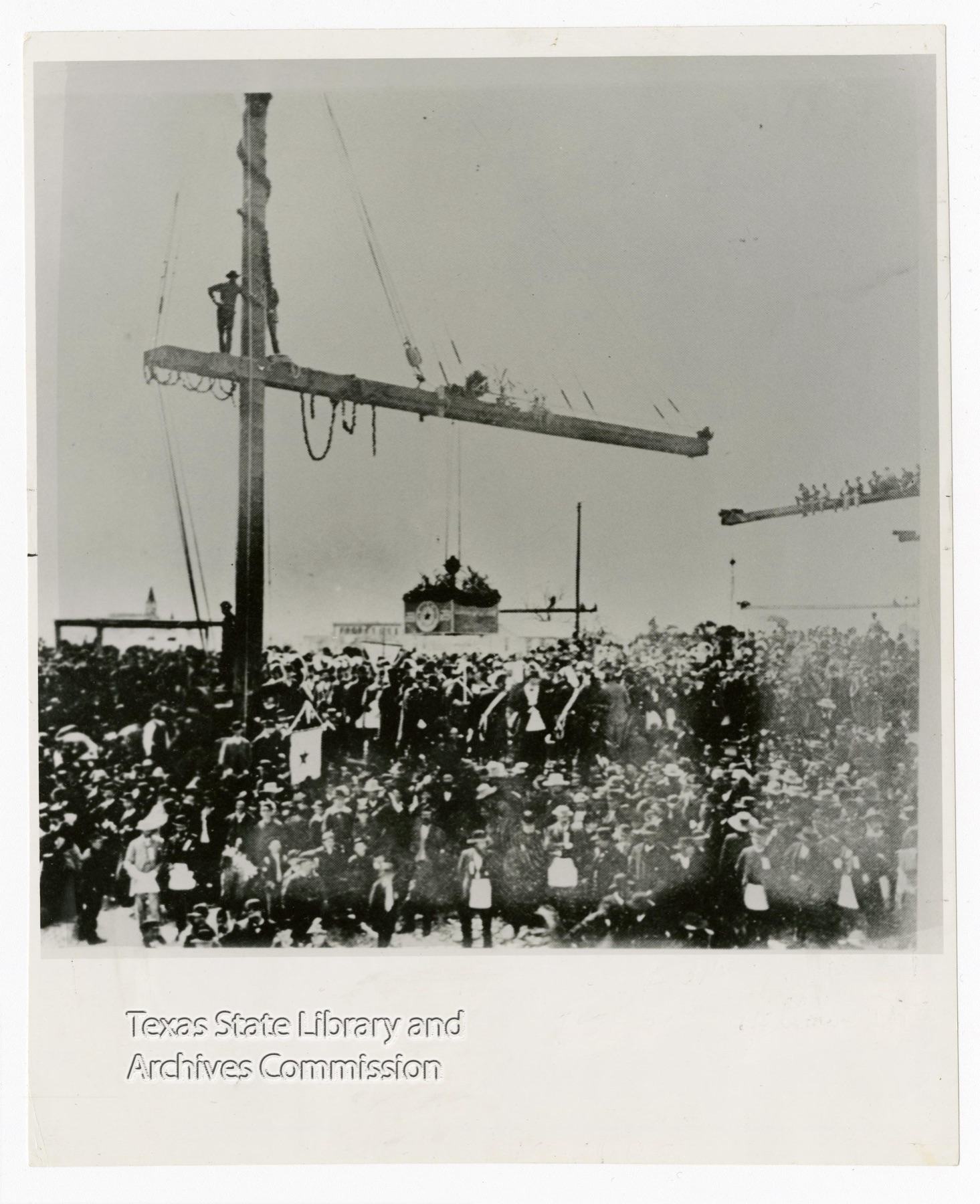 Reading a Cornerstone
Reading the 1885 photograph of the Capitol cornerstone ceremony in Austin against a San Marcos newspaper report, and what a laying ceremony can and cannot date.
6 min read